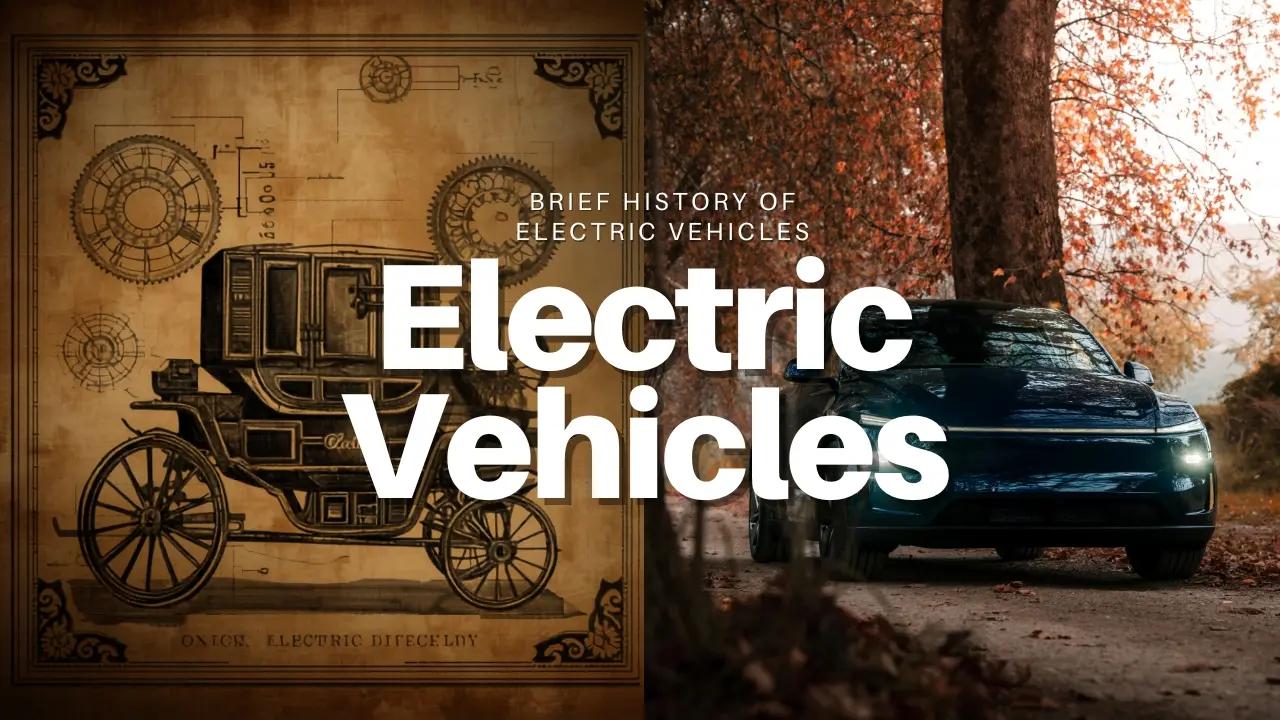

Electric vehicles are not a new invention. The history of electric vehicles actually began in the early 1800s, decades before petrol-powered cars became mainstream. From the first electric car in the world to today’s rapidly growing EV charging infrastructure India, Electric mobility has gone through major transformations. India is now witnessing a strong EV revolution driven by government policies, technological advancements, rising fuel prices, and the need for cleaner transportation.
What Is the History of Electric Vehicles?
The history of electric vehicles started nearly two centuries ago when inventors experimented with battery-powered transportation systems. Early electric cars gained popularity in the late 19th century because they were quieter and easier to drive than gasoline vehicles. Over time, improvements in fuel-powered cars pushed EVs into decline, but modern technology has brought them back stronger than ever.
Modern EV Revolution
The modern EV revolution started during the 1990s and accelerated rapidly after 2010. Advances in lithium-ion batteries, software systems, and fast charging have made electric vehicles more practical and efficient.
Key developments include:
- Improved battery efficiency
- Expansion of charging networks
- Introduction of smart EV technology
- Government subsidies for EV buyers
- Growth of electric two-wheelers and buses
Today, electric mobility is one of the fastest-growing sectors in the global automotive industry.
How Did India’s EV Market Develop?
The electric vehicle history in India began with small-scale experiments and slowly evolved into a rapidly growing industry. India initially focused on electric rickshaws and low-speed scooters, but the market expanded significantly over the last decade.
Early Stages of Electric Mobility India
During the early 2000s, EV adoption in India was limited because of:
- High vehicle costs
- Poor battery technology
- Lack of charging infrastructure
- Low public awareness
However, the rise of electric mobility India started gaining momentum as fuel prices increased and environmental concerns became more serious.
Government Policies Supporting EV Growth
Government initiatives played a major role in accelerating electric vehicle growth in India.
Important initiatives include:
PM E-DRIVE Scheme
The PM E-DRIVE scheme is India’s current flagship EV initiative aimed at boosting electric vehicle growth in India through subsidies, charging infrastructure development, and support for EV manufacturing. The program encourages faster adoption of electric two-wheelers, three-wheelers, buses, and public charging stations across the country.
State EV Policies
Several Indian states introduced EV-friendly policies that supported charging infrastructure, tax benefits, and manufacturing investments.
These initiatives significantly improved the EV ecosystem across India.
What Is the History of EV Charging Infrastructure?
The history of EV charging infrastructure has evolved dramatically from simple home charging systems to advanced fast-charging networks.
Early Charging Systems
In the early days of electric vehicles, charging was extremely basic. Most vehicles were charged overnight using standard electrical connections.
Charging systems during the 1800s and early 1900s were slow and limited, making EVs more suitable for short-distance city travel.
Modern EV Charging Infrastructure India
India’s EV charging ecosystem has expanded rapidly in recent years.
Current developments include:
- Public fast-charging stations in metro cities
- Highway charging corridors
- Smart charging systems
- Battery-swapping stations for electric scooters
- Residential EV charging solutions
The expansion of EV charging infrastructure India is essential for supporting long-distance EV travel and reducing range anxiety among users.
Why Electric Two-Wheelers Became Successful
Several reasons contributed to rapid adoption:
- Lower operating costs
- Rising petrol prices
- Government incentives
- Easy urban commuting
- Improved battery performance
Electric scooters are now widely used for personal transportation, food delivery, and commercial mobility services.
Impact on Indian Cities
Electric two-wheelers are helping reduce:
- Fuel consumption
- Air pollution
- Traffic noise
- Daily commuting expenses
This segment continues to drive electric vehicle growth in India.
Which State Leads EV Adoption in India?
Several Indian states are leading the EV revolution, including Telangana, Delhi, Karnataka, and Maharashtra.
EV Adoption Telangana
EV adoption in Telangana has grown rapidly because of strong government support and industrial investment.
The state is focusing on:
- EV manufacturing hubs
- Battery production facilities
- Charging infrastructure expansion
- Sustainable transportation policies
Hyderabad has emerged as a major EV innovation center, attracting automotive.
What Is the Future of Electric Vehicles in India?
The future of electric vehicles in India looks highly promising as the country continues investing in sustainable transportation and clean energy solutions.
Major Trends Shaping India’s EV Future
Expansion of Charging Infrastructure
India is expected to build thousands of additional charging stations over the next decade.
Better Battery Technology
Future batteries will offer:
- Faster charging
- Longer range
- Lower costs
- Improved safety
Affordable EV Models
Automakers are introducing budget-friendly electric cars and scooters designed for Indian consumers.
Commercial EV Growth
Electric buses, delivery vehicles, and logistics fleets are expected to expand significantly in the coming years.
EV Evolution Timeline
The EV evolution timeline highlights how electric mobility transformed over two centuries.
- 1828 – First electric-powered vehicle prototype developed
- 1835 – Early electric carriage experiments began
- 1890s – Commercial electric cars became popular
- 1908 – Mass-produced gasoline vehicles reduced EV demand
- 1970s – Oil crisis renewed interest in electric vehicles
- 1990s – Lithium-ion battery advancements improved EV performance
- 2010s – Global EV adoption accelerated rapidly
- 2020s – India emerged as a growing EV market
The journey from the first electric-powered prototypes in the 1800s to today’s advanced EV ecosystem highlights the remarkable history of electric vehicles. Electric mobility has evolved from a forgotten technology into the future of global transportation. India’s growing focus on sustainability, infrastructure, and innovation is accelerating the rise of electric mobility in India. As EV technology continues advancing, businesses and consumers have an exciting opportunity to become part of a cleaner and smarter transportation future.
India’s Electric Vehicle Revolution Is Shaping the Future of Mobility
India’s transportation landscape is changing rapidly, and electric mobility is becoming a key part of the country’s sustainable future. The growing electric vehicle growth in India is creating new opportunities for manufacturers, infrastructure providers, and businesses connected to the EV ecosystem.
As the rise of electric mobility India continues to accelerate, the demand for better charging networks, battery innovation, and smart transportation solutions will increase across both urban and rural regions. The expansion of EV charging infrastructure India will play a major role in supporting this transition and making electric vehicles more practical for everyday users.
The future of electric vehicles in India looks highly promising as government policies, environmental awareness, and electric car technology development continue driving adoption. From electric scooters and passenger cars to commercial fleets and public transportation, EVs are expected to become a central part of India’s mobility ecosystem over the next decade.
With rising EV adoption in Telangana and strong nationwide investments in sustainable transportation, businesses entering the EV industry today have an opportunity to benefit from long-term growth and expanding market demand. Companies like GoLumo are helping support this transformation by contributing to the development of reliable EV charging solutions and scalable infrastructure designed for the future of electric mobility.